Transparency: this article contains affiliate links. If you sign up through them, Finanzas en Holanda may earn a commission at no extra cost to you. We only recommend products we would use with our own money. More information.
If you’ve been living in the Netherlands for a while and have tried to apply for a loan, buy a phone on instalments, or even rent a house, you’ve probably heard the acronym BKR. But what exactly is it? Do you have one? Is it a bad thing? In this article, I’ll tell you everything you need to know.
What is the BKR?
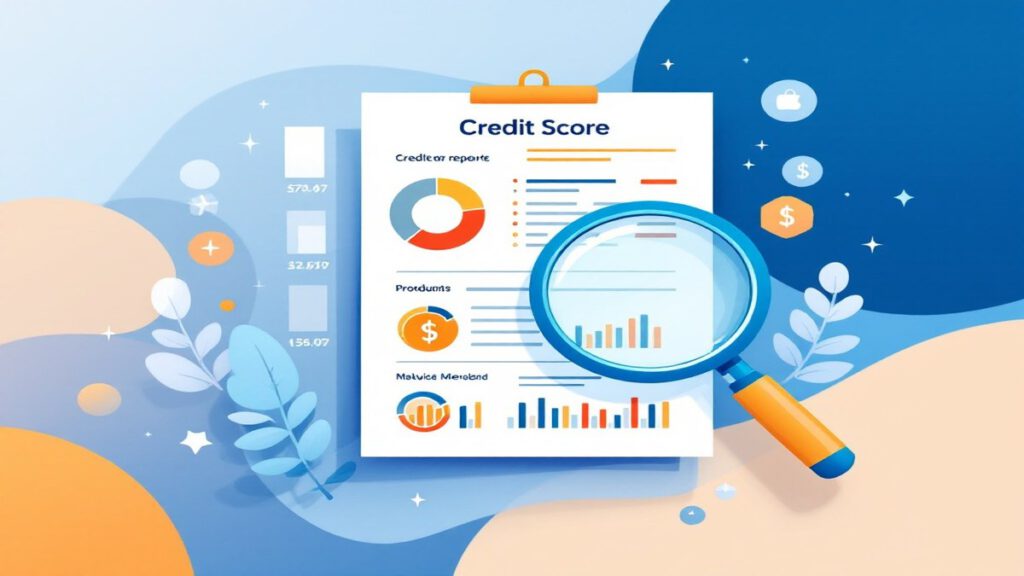
The BKR (Bureau Krediet Registratie) is the central credit registry of the Netherlands. It’s basically a database that stores information about the credits and loans that residents in the Netherlands have (or have had).
Currently, there are approximately 7.3 million people registered with the BKR. So if you also appear there, don’t panic — it doesn’t mean you have a problem. It’s simply information that banks and other financial institutions consult when you apply for credit, to assess whether you can afford to repay it.
Many Latin American countries have something similar: in Mexico, there’s the Buró de Crédito, in Colombia, DataCrédito, in Argentina, the BCRA. The logic is similar, although the Dutch system has its own peculiarities.
Which debts or credits are registered with the BKR?
Not all debts appear in the BKR. Only credits of 250 euros or more with a duration longer than one month are registered. Some examples:
- Purchases on instalments (afbetalingen)
- Phone contracts with device financing
- Credit cards (creditcard)
- Credit lines or overdrafts (roodstand)
- Personal loans (persoonlijke lening)
- Car leasing (private lease)
- “Buy now, pay later” services from certain platforms
Important: popular services like Klarna and Riverty do not generate a BKR registration, even if you have outstanding payments with them. Nor do mortgages or student loans from DUO appear, unless you have more than three months in arrears.
Debts with the Belastingdienst (the Dutch Tax Authorities), overdue electricity or gas bills, and informal loans between family members also do not appear in the BKR.
Positive registration vs. negative registration: what’s the difference?
Here’s the key point that many people don’t know: the BKR not only registers problems, but also good payment behaviour.
Positive registration: you have an active credit and are paying it on time. This can actually be favourable when applying for a mortgage or other financing, as it shows you are a reliable payer.
Negative registration (A-notatie or H-notatie): you had or have payment arrears. This can indeed cause problems. A bank may refuse you a mortgage, a landlord may reject your rental application, or a financial institution may not grant you the credit you need.
How does the BKR affect your financial life in the Netherlands?
When you apply for a mortgage, a loan, or even certain service contracts, the financial institution is obliged to consult it. If you have a negative registration, the consequences can be:
- Rejection of your mortgage application
- Difficulties in renting accommodation (some landlords also check it)
- Higher interest rates or worse conditions for credits
- Rejection of phone contracts or instalment services
For Latin Americans who have recently arrived in the Netherlands, this can be a surprise, as the Dutch system is quite rigorous in this regard. If in your country of origin you were used to managing debts differently, here it is advisable to be especially punctual with payments.
How to check your BKR registration?
The good news is that you have the right to check your own BKR registration for free. You can do so directly on the official BKR website (mijn.bkr.nl). There you will be able to see:
- All credits registered in your name
- Your payment history for the last 5 years
- If you have any negative annotations
- The entities that have consulted your registration
To access it, you need to identify yourself with your DigiD. If you don’t have a DigiD yet, we recommend you apply for one as soon as possible — it’s the Dutch digital signature you need for almost all official procedures here.
How long does a BKR registration last?
A BKR registration remains active for 5 years after the credit ends, even if you have already paid everything. So, if you finished paying off a loan today, your registration will remain visible to financial institutions for five more years.
If you have a negative registration and have already settled the debt, the negative annotation can be removed earlier, but it is not automatic. For this, you need to:
- Ask the financial institution to voluntarily remove it (they don’t always do so)
- Submit a complaint to the Kifid (Klachteninstituut Financiële Dienstverlening) — the Dutch financial complaints body
- In extreme cases, appeal to a judge
Practical tips if you are an immigrant in the Netherlands
If you recently arrived in the Netherlands, you probably don’t have a BKR history yet — which isn’t ideal either, because banks prefer to see that you have credit experience. Here are some tips:
- Don’t avoid credit out of fear. Having a small credit and paying it on time builds a positive history.
- Check your BKR at least once a year, especially before applying for a mortgage or a large loan.
- If you find an error in your registration, immediately contact the entity that reported it to correct it.
- Always pay on time. In the Netherlands, arrears are formally registered and can follow you for years.
In summary
The BKR is a key tool of the Dutch financial system. It’s not something you should fear, but something you should know about and monitor. Knowing what’s in your registration allows you to make more informed financial decisions and avoid unpleasant surprises when you need it most — such as when applying for your first mortgage here in the Netherlands.
🏠 Are you thinking of applying for a mortgage? Before applying, check your BKR and compare what rates you can get with your current financial profile. → View available mortgage rates in the Netherlands
Have you already checked your BKR? Do you have questions about how credit works in the Netherlands? Leave us your comment and we’ll help you.